
Does Blowing Your Nose Make Cold Symptoms Worse?
Blowing your nose during a cold can provide temporary relief, but it’s important to do so with care. Frequent or forceful nose blowing can lead to irritation and inflammation, and may even cause mucus to travel into the sinuses, worsening congestion and increasing the risk of sinus infections.Our board-certified doctors, Dr. Fahima Azizi, MD and Dr. Rita Kapoor, MD at Elite Primary Care Group offer guidance on managing cold symptoms and preventing complications. For more information, contact us or schedule an appointment online. We are conveniently located at 801 Toll House Avenue, Suite E1, Frederick MD 21701.
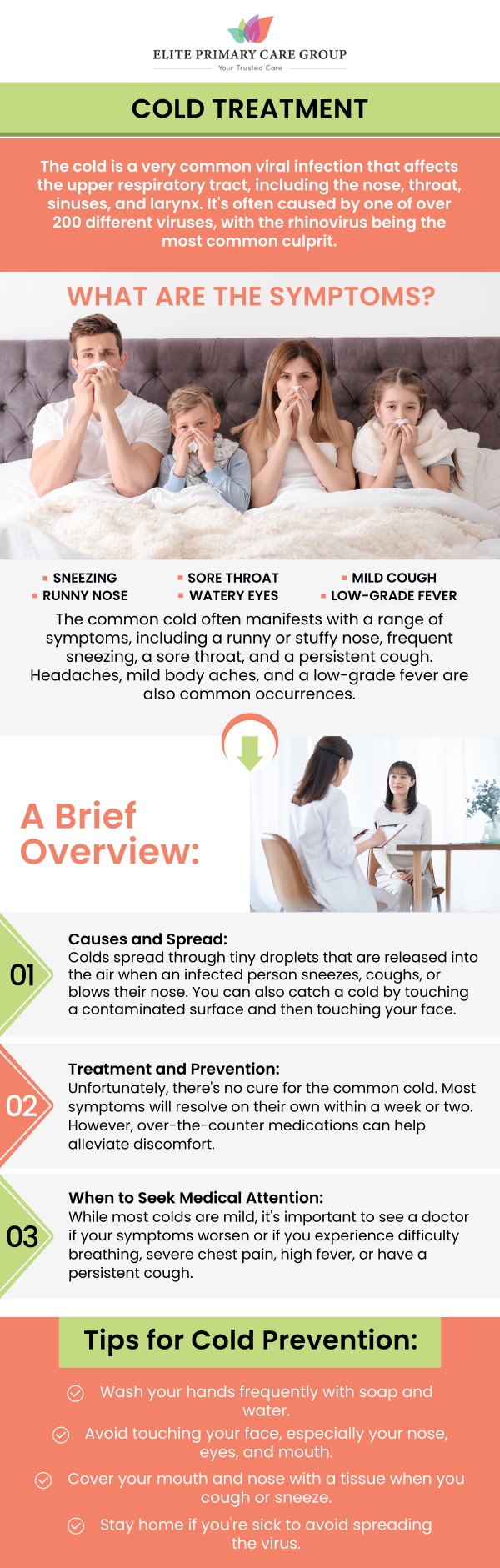

Table of Contents:
Can blowing your nose too hard make a cold worse?
How often should I blow my nose when I have a cold?
Can forceful nose blowing cause sinus or ear pressure?
Can blowing your nose spread germs or prolong recovery?
Managing Cold Symptoms with Care: Guidance from Dr. Fahima Azizi and Dr. Rita Kapoor
At Elite Primary Care Group, we understand that dealing with nasal congestion during a cold can be uncomfortable and frustrating. Many people instinctively blow their nose to find relief, but did you know that blowing your nose too forcefully can actually make your symptoms worse or lead to additional problems?
When you blow your nose very hard, the increased pressure can push mucus back into your sinuses instead of expelling it. This can raise the risk of sinus infections, as bacteria and viruses trapped in the mucus may enter your sinus cavities. Additionally, frequent and forceful nose blowing can irritate the delicate lining inside your nose, leading to nosebleeds or increased inflammation—making your nose feel even more congested or sore.
• Blow Gently: Clear your nose one nostril at a time and use soft tissues to avoid irritation.
• Don’t Overdo It: Limit how often you blow your nose to prevent further inflammation.
• Use Saline Sprays: Saline nasal sprays or rinses can help loosen mucus and relieve congestion without the risks of forceful nose blowing.
• Try Steam Inhalation: Breathing in steam from a warm shower or a bowl of hot water can help open your nasal passages naturally.
If you are experiencing severe congestion or symptoms that persist, Elite Primary Care Group is here to help. Our providers can recommend the safest and most effective treatments to keep you comfortable and healthy during cold and allergy season. Gentle care is the best care—for your nose and your overall well-being.
At Elite Primary Care Group, we understand that managing common cold symptoms—like a runny or congested nose—can be uncomfortable and disruptive to your daily life. Many people instinctively blow their noses to clear away mucus and relieve congestion. While this can help you breathe easier, it’s important to do it safely to avoid irritating your nasal passages or worsening your symptoms.
Gentle Nose Blowing Tips from Elite Primary Care Group:
• Blow Only When Needed: Try to blow your nose only when you feel a significant buildup of mucus. Over-blowing can irritate the sensitive lining inside your nostrils, sometimes leading to nosebleeds or even pushing mucus back into your sinuses, which can make congestion worse.
• Be Gentle: When you do need to clear your nose, blow gently and one nostril at a time. This reduces the risk of irritation or injury.
• Don’t Overdo It: If your nose is running constantly, blowing every few hours is usually sufficient. For mild congestion, wiping or dabbing with a soft tissue may be enough.
Additional Ways to Ease Nasal Congestion:
• Stay Hydrated: Drinking plenty of fluids helps keep mucus thin and easier to clear.
• Use a Humidifier: Adding moisture to the air can soothe dry nasal passages.
• Try Saline Sprays: Saline nasal sprays are gentle and can help keep your nasal passages moist without irritation.
If you notice blood when blowing your nose, develop severe sinus pain, or if your symptoms persist, Elite Primary Care Group is here to help. Our dedicated healthcare providers are available to assist in managing your symptoms and ensuring a comfortable and safe recovery.
At Elite Primary Care Group, we often see patients who experience sinus and ear discomfort, especially during allergy or cold season. One common culprit is forceful nose blowing, which can lead to increased pressure in the sinuses and ears. When you blow your nose too forcefully, the pressure inside your nasal passages rises and may transfer to your sinus cavities, causing a sensation of fullness or discomfort in your face and forehead.
Additionally, vigorous nose blowing can sometimes push mucus or air into your eustachian tubes—the passageways connecting your nose and middle ear. This may result in ear fullness, popping, or even temporary muffled hearing. Rarely, excessive pressure can cause small blood vessels in your nasal lining to burst, leading to nosebleeds, or, in very uncommon cases, push infectious material into your sinuses or middle ear, increasing your risk for sinus or ear infections.
Our team recommends gently blowing your nose, one nostril at a time, to reduce these risks. Our experienced healthcare providers can evaluate your symptoms and help ensure your sinus and ear health are well cared for.
At Elite Primary Care Group, we’re committed to helping our patients recover safely and prevent the spread of illness, especially during cold and flu season. Many people blow their nose to relieve congestion when they have a cold or respiratory infection—but did you know that how you do it can impact both your recovery and your loved ones’ health?
Why Gentle Nose Blowing Matters
When you blow your nose, especially with force, you expel mucus containing the viruses or bacteria causing your symptoms. This can contaminate your hands, tissues, and nearby surfaces, making it easier for germs to spread. If you don’t wash your hands right away, you may unintentionally pass those germs to others or re-infect yourself.
Additionally, blowing your nose too hard can actually push infected mucus back into your sinuses, which may cause irritation or even secondary infections like sinusitis. In some cases, forceful nose blowing can cause minor nosebleeds or ear discomfort.
Elite Primary Care Group’s Recommendations:
• Blow gently: Clearing your nose gently helps relieve congestion without causing irritation or injury.
• Use disposable tissues: Always discard tissues after one use to prevent germ spread.
• Practice hand hygiene: Wash your hands thoroughly with soap and water, or use hand sanitizer, every time you blow your nose.
• Clean surfaces: Regularly disinfect common surfaces, especially if you or someone in your home is ill.
By following these simple steps, you protect yourself and those around you—helping everyone recover faster and stay healthier.
Managing cold symptoms with care is essential to ensure a speedy recovery and prevent further complications. Board-Certified Dr. Fahima Azizi, MD and Dr. Rita Kapoor, MD at Elite Primary Care Group provide expert guidance on how to handle common cold symptoms effectively. They emphasize the importance of staying hydrated, getting enough rest, and using over-the-counter remedies as needed to alleviate discomfort.
In addition, Dr. Azizi and Dr. Kapoor take a holistic approach to treating cold symptoms, offering advice tailored to each patient’s specific needs. Whether it’s managing nasal congestion, soothing a sore throat, or addressing persistent coughing, they are committed to helping you recover comfortably and safely. Our expertise ensures that you can navigate your symptoms with the right treatment plan in place.
For more information, contact us or schedule an appointment online. We are conveniently located at 801 Toll House Avenue, Suite E1, Frederick MD 21701. We serve patients from Frederick MD, Mt Pleasant MD, Braddock Heights MD, Walkersville MD, Lewistown MD, Urbana MD, Ballenger Creek MD, and surrounding areas.

Additional Services You May Need
▸ Annual Physical Exam
▸ Immigration USCIS Exam
▸ Chronic Care Management
▸ Medical Testing
▸ Employment Physical Exam
▸ Sports Physical Exam
▸ PPD Skin Testing
▸ Drug & Substance Testing
▸ Zepbound

Additional Services You May Need
▸ Annual Physical Exam
▸ Immigration USCIS Exam
▸ Chronic Care Management
▸ Medical Testing
▸ Employment Physical Exam
▸ Sports Physical Exam
▸ PPD Skin Testing
▸ Drug & Substance Testing
▸ Covid-19 Testing
▸ Vaccinations
▸ In-house Testing
▸ Women’s Health
▸ Remote Patient Monitoring
▸ Medical Weight Loss Management
▸ Colds & Flu
▸ Sore Throat
▸ Ear Infections
▸ Allergies
▸ High Cholesterol
▸ Diabetes
▸ Hypertension
▸ Common Infections
▸ Ozempic
▸ Wegovy
▸ Zepbound
▸ Mounjaro
▸ IV Infusion Therapy